Small Voices, BIG Impact: Little Lobbyists Takes on Harrisburg!
Cole's mom writes about the electric mood at the Harrisburg, PA, stop on the "Sick of It! Fix Health Care Now" bus tour.

HCBS, including professional caregiving like skilled home nursing and direct support, help our kids stay safe at home and school and allow us – their parents and caregivers – to go to work, care for our other children, and provide for our families.
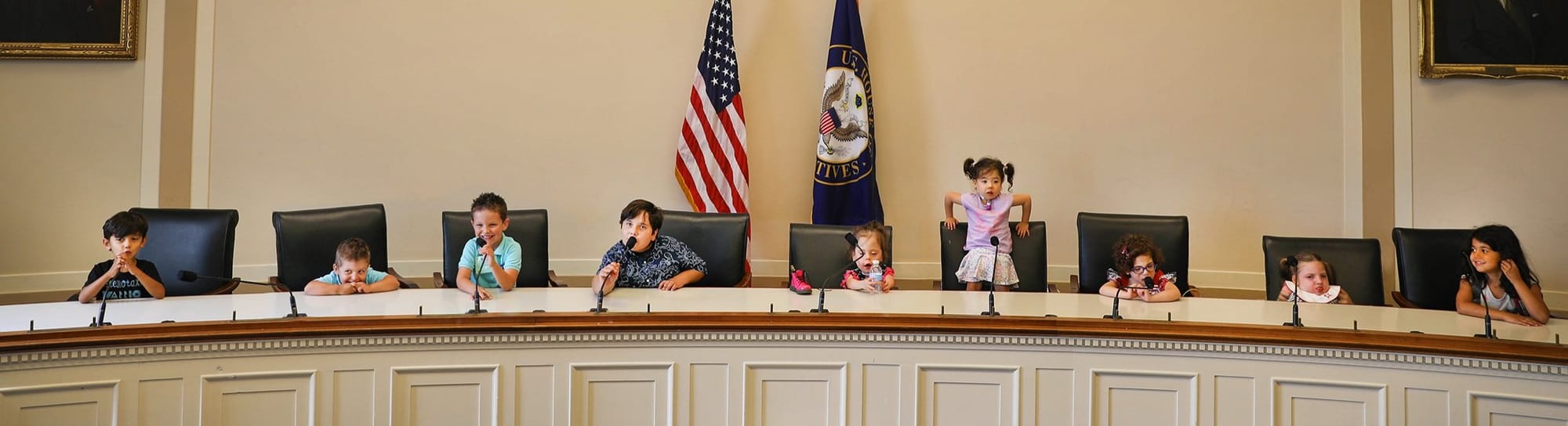
Like most kids, our children love to dream about what they will do and where they will live when they grow up. But for our kids – who use wheelchairs and walkers to get around, tracheostomies to breathe, feeding tubes to eat, and assistive devices to communicate – being able to survive today and thrive in the future relies on their ability to access Medicaid home and community-based services and support (HCBS).
HCBS, including professional caregiving like skilled home nursing and direct support, help our kids stay safe at home and school and allow us – their parents and caregivers – to go to work, care for our other children, and provide for our families. Access to HCBS is critical to the well-being of entire families, but they are also difficult to access and increasingly challenging to find.
In the U.S., the lack of support for children with complex medical needs and disabilities and their families has a devastating impact. Thousands of kids like ours are already on years-long waiting lists for the HCBS care they need to access their civil right to community inclusion.
Right now, many parents and family caregivers struggle to manage the overwhelming demands of care. We’re missing work to manage doctor and therapy appointments. We’re losing sleep to provide overnight medical care. We’re struggling to afford out-of-pocket medical costs and therapies. The demands are unsustainable and have forced millions of family members (mostly women) to leave the workforce to become unpaid caregivers, sacrificing careers and financial stability to keep loved ones alive and at home.
The frightening truth is that we are drowning in a rapidly worsening care crisis.
When our kids share their dreams about their future as grown-ups in our community, we often find ourselves unable to dream with them. We know our country’s failure to support people with disabilities is a serious threat to our children’s ability to remain in their community. Waiting lists for adult HCBS are decades-long and growing longer. Without meaningful legislation and significant investment, our children cannot escape the nightmare of institutionalization.
The reintroduction of the Better Care Better Jobs Act by Senator Casey and Congresswoman Debbie Dingell provides our families with a light in the darkness.
If passed, this legislation can finally dispel the shadow cast on our children’s future by providing better care so our kids can thrive. It will lighten the overwhelming strain on our families and professional caregivers by creating better jobs that improve our financial stability and provide the critical resources our growing population of aging and disabled loved ones need in their own homes and communities, where they belong.
People with disabilities, seniors, their families, and caregivers live in every state and every community and all of us are impacted by our nation’s widespread and growing care crisis. We urge every legislator to support the swift passage of the Better Care Better Jobs Act to finally address our country’s failing long-term care system before it is too late.
Our families know that #CareCantWait – this is some of what we have to say about the way passing the Better Care Better Jobs Act could improve our lives:

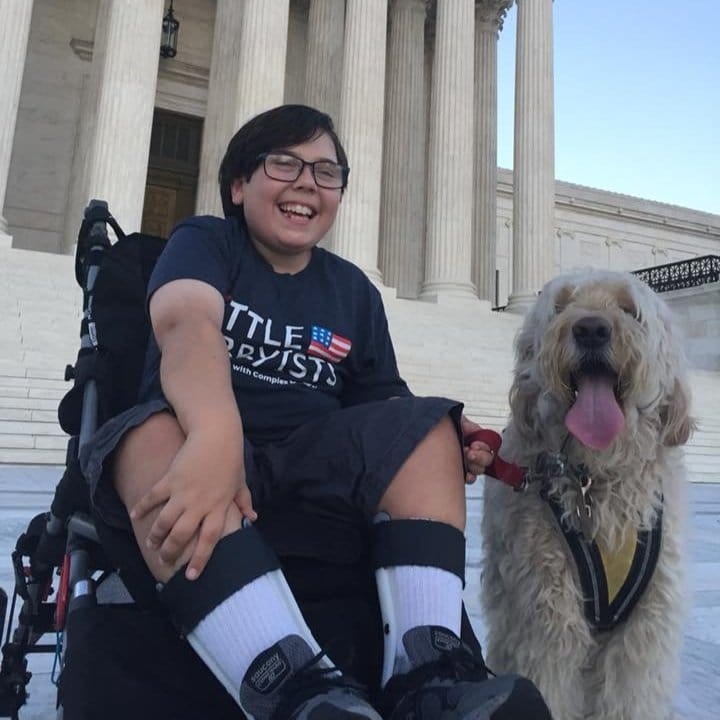
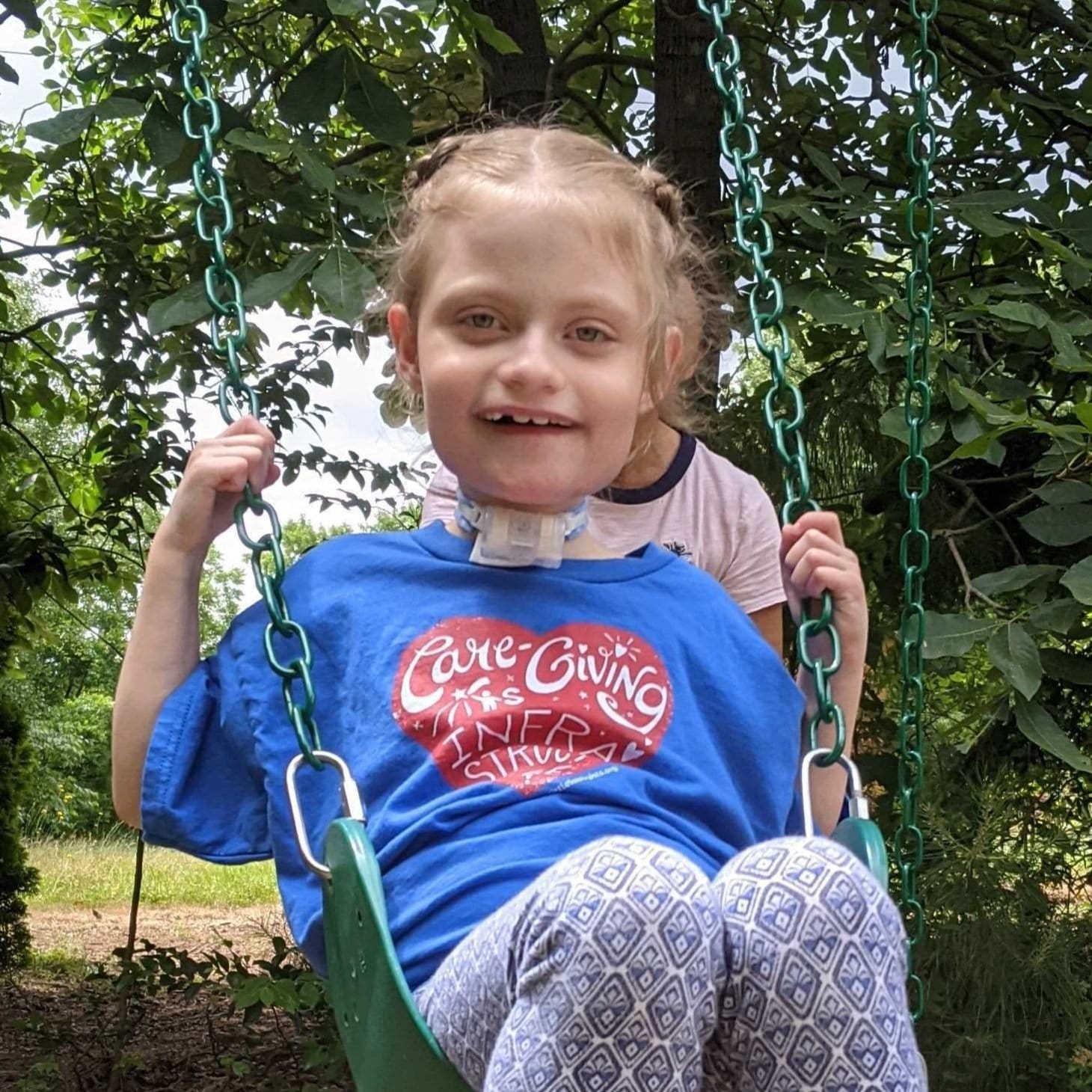
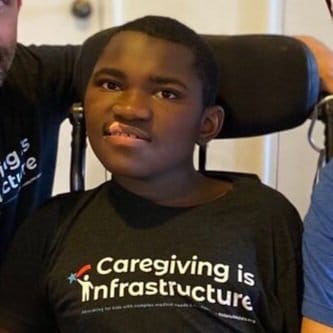

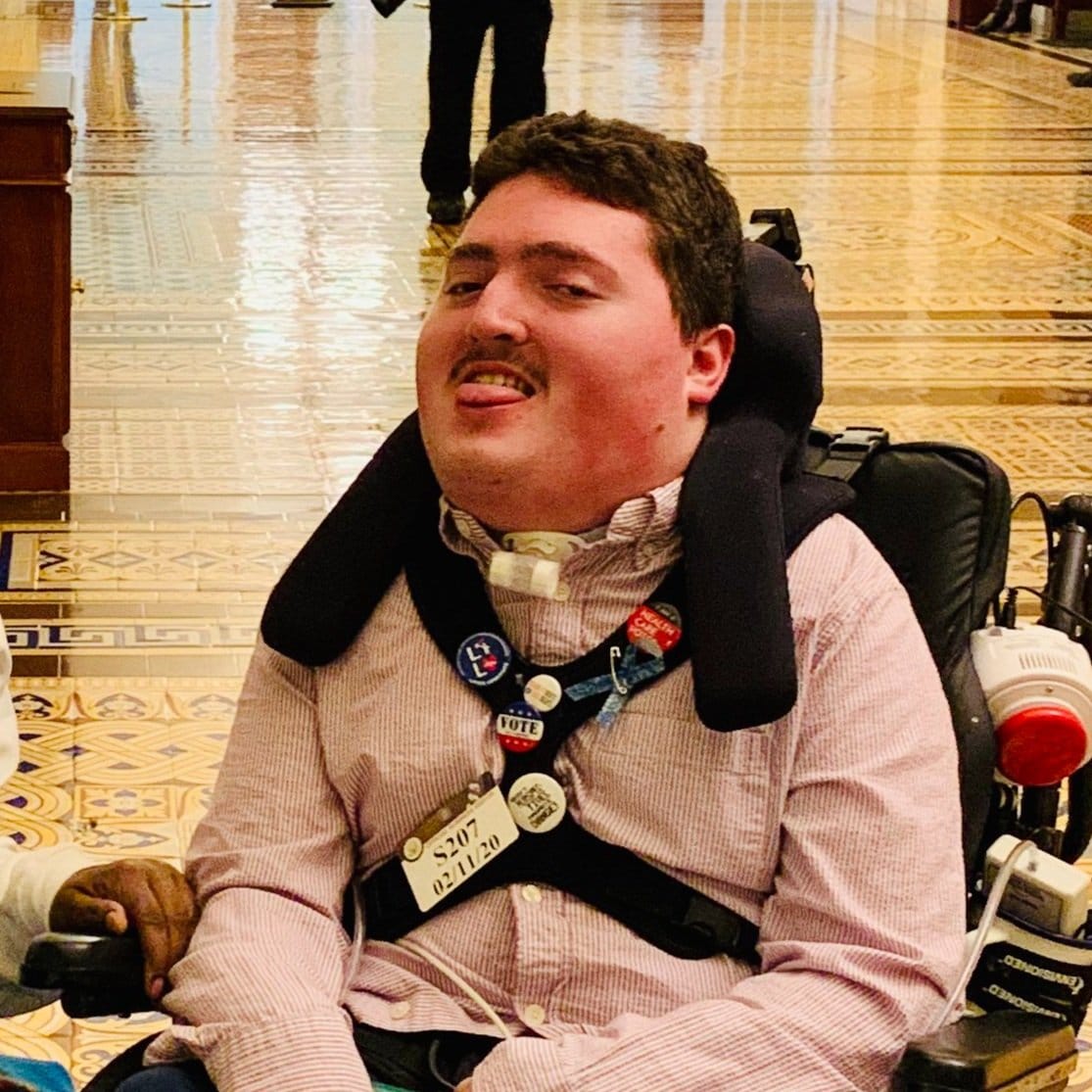
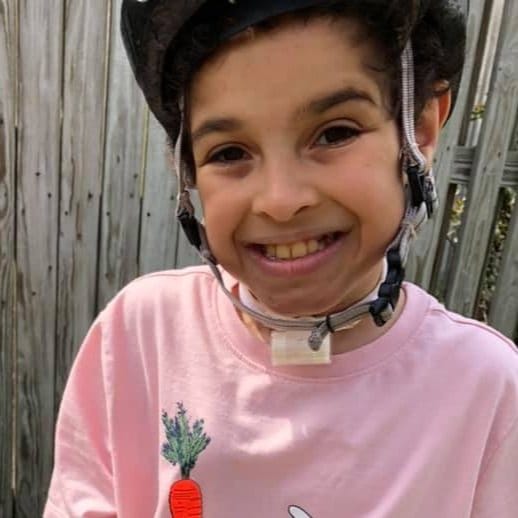

Cole's mom writes about the electric mood at the Harrisburg, PA, stop on the "Sick of It! Fix Health Care Now" bus tour.

Little Lobbyists' intern Grace Heuer writes about taking the fight to Capitol Hill...and rethinking what advocacy can look like.

Little Lobbyists' State Outreach Manager and Kansas State Lead Mel Sabin writes about a successful back-to-school event filled with kids, play, community, and partners.

A new rule could kick up to ten million people off Medicaid, and we're fighting back. So can you.