
Alison's Story: Take Me Home at the Sundance Film Festival
Mother and nurse Alison Chandra shares about her powerful experience at the Sundance Film Festival.
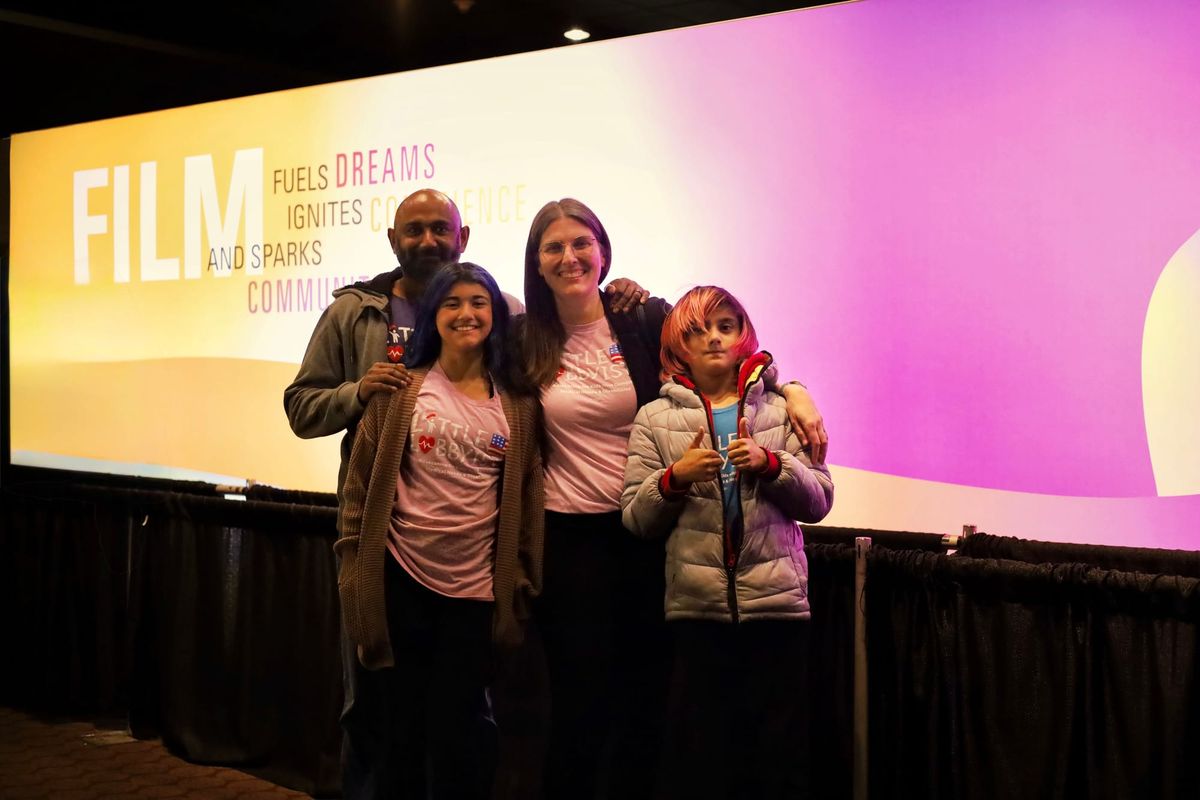
My name is Alison Chandra. I’m a pediatric nurse, a mother to a medically complex child, and an advocate.
I’m still struggling to find words for our experience at Sundance Film Festival last week where we got to be some of the first people to experience the absolute masterpiece that is Take Me Home. This film is beautiful and brutal and funny and heartbreaking and REAL. I was, and still am, undone.
We are deeply grateful to Caring Across Generations for inviting us, as well as one of my patients, June, to be part of this important night. We have worked closely with them, and I’ve seen firsthand just how impactful their advocacy is. They don’t just speak about families, they amplify our voices. They make space for lived experience. They invite our children to lead. My own daughter has been given the opportunity to share the stage with them on a national level, and that kind of intentional inclusion, putting the voices of directly impacted people front and center, is powerful beyond words.
Little Lobbyists exists because, too often, disabled children are treated as problems to be managed instead of people to be valued. Families are discussed without being consulted. Policies are written without understanding the real lives behind them. And the realities of disability remain invisible for many until they experience it themselves.
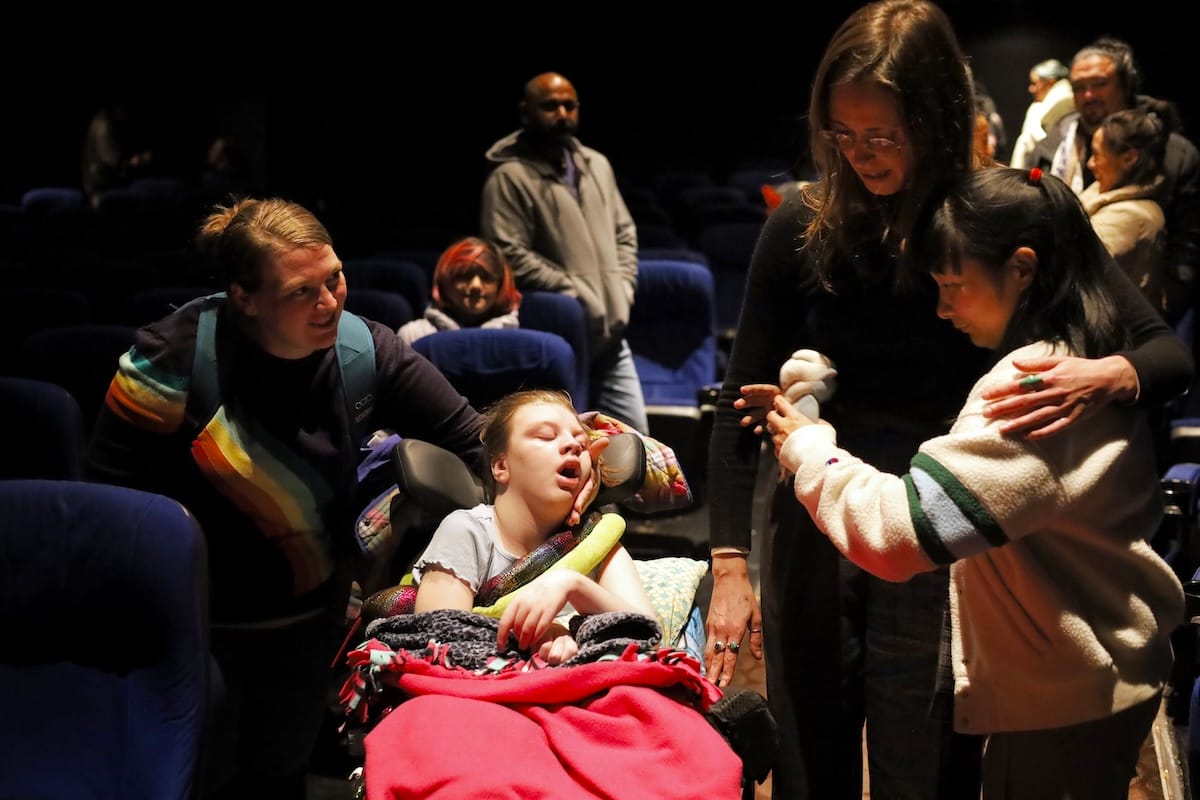
I see these gaps from both sides of the bed. As a home healthcare nurse, I watch families fight to access the care, services, and protections their children need. As a mother, I navigate those same systems for my own children. And as an advocate, I see how many families like mine and like my patients’ are forced to battle for things that should never require a fight: safety, dignity, education, belonging.
June’s life, like the lives of so many disabled children, is shaped not only by her medical needs, but by the policies, attitudes, and systems that surround her. Whether she thrives depends not just on medicine, but on whether we as a society choose to build a world that truly values, includes, and celebrates her.
That is why films like Take Me Home matter so deeply.
I have come to the unshakeable understanding that stories are more powerful than statistics.
I’ve never seen it before, the everyday realitites of navigating disability in this country played out on the big screen. There were so many carefully-chosen details that painted the picture of a reality that so many families like mine and my patients’ are constantly faced with.
The stacks of bills.
The constant phone calls to pharmacies and doctors’ offices.
The medications to be managed.
The weight of a thousand decisions about care that have to be made every single day along with keeping a fridge stocked and figuring out what to make for dinner and laundry and
and
and….
And this is why films like Take Me Home matter so deeply.
Over my years working alongside Little Lobbyists, I have come to the unshakeable understanding that stories are more powerful than statistics. They peel back policy language and invite us into real, lived experience. They challenge assumptions. They ask us to care more intentionally. Disability is not rare, and it is not someone else’s issue. It will touch every family eventually, and how we respond reflects who we are.
The film asked us not just to watch, but to see. Not just to feel, but to leave with a deeper commitment to building a world where disabled people are fully valued, included, and celebrated.
I am beyond grateful to Caring Across Generations to have been given that opportunity, and I can’t wait for the rest of the world to get a chance to see this film.
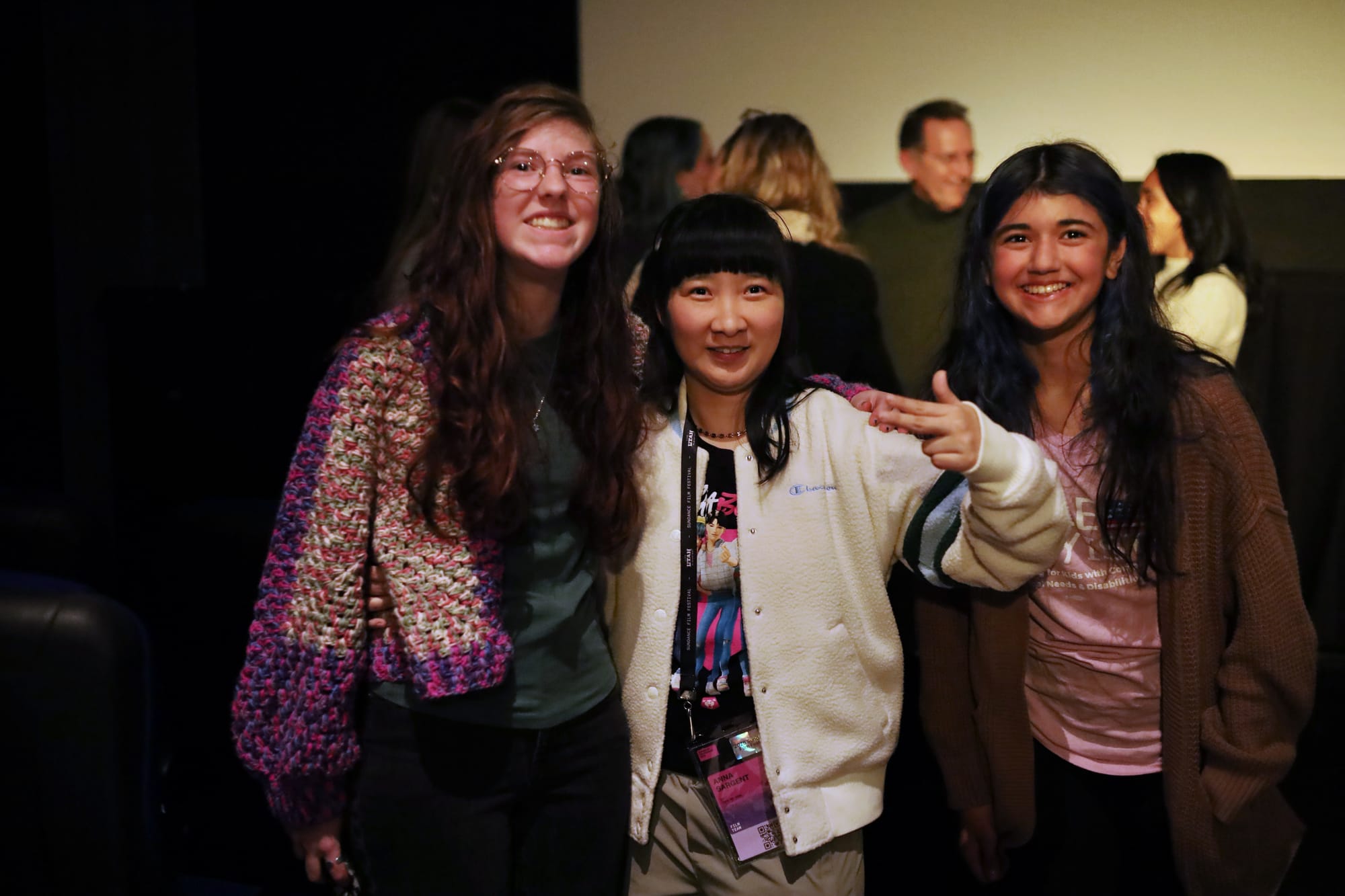
Until then, I’ll just be over here, replaying it all in my mind, starstruck at having gotten to meet Anna and hear from her and the incredible crew of this beautiful piece of art.